The Ultimate Guide to the Great Wildebeest Migration in Maasai Mara 2024/2025
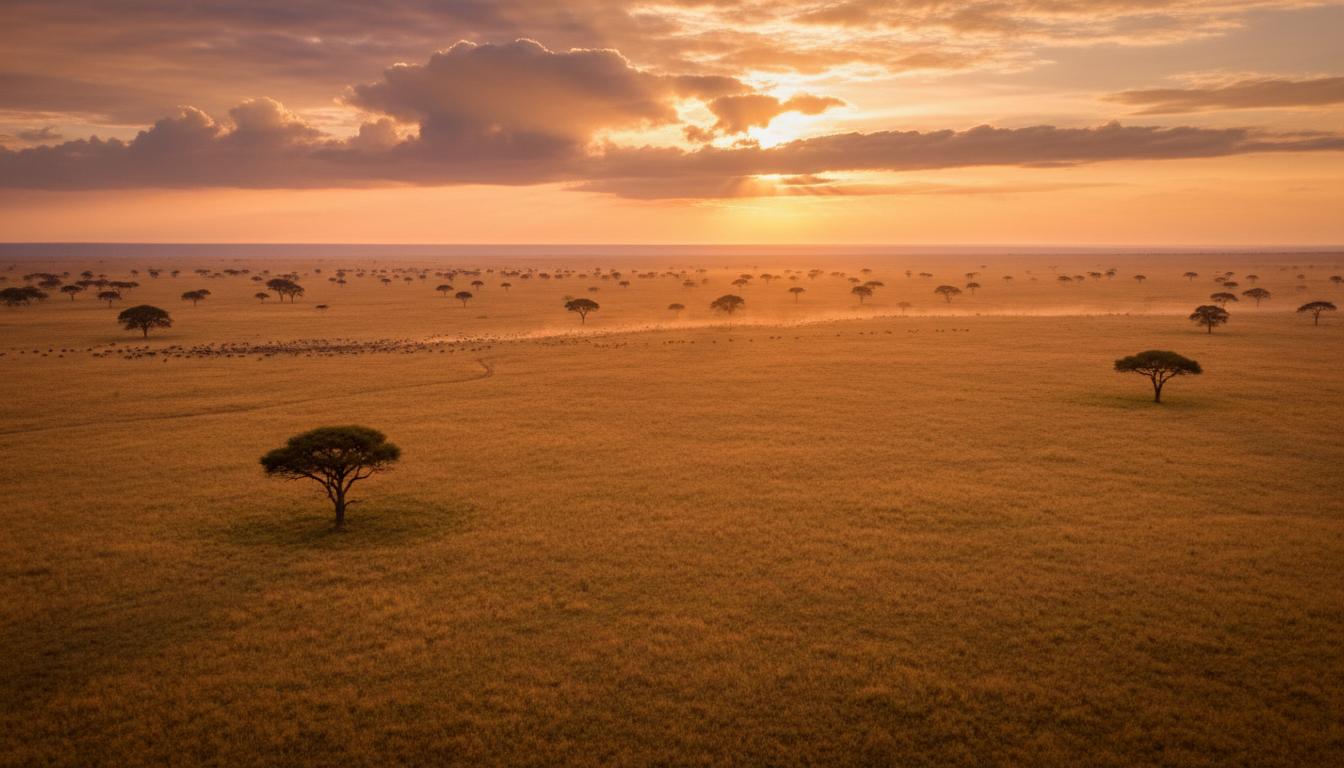
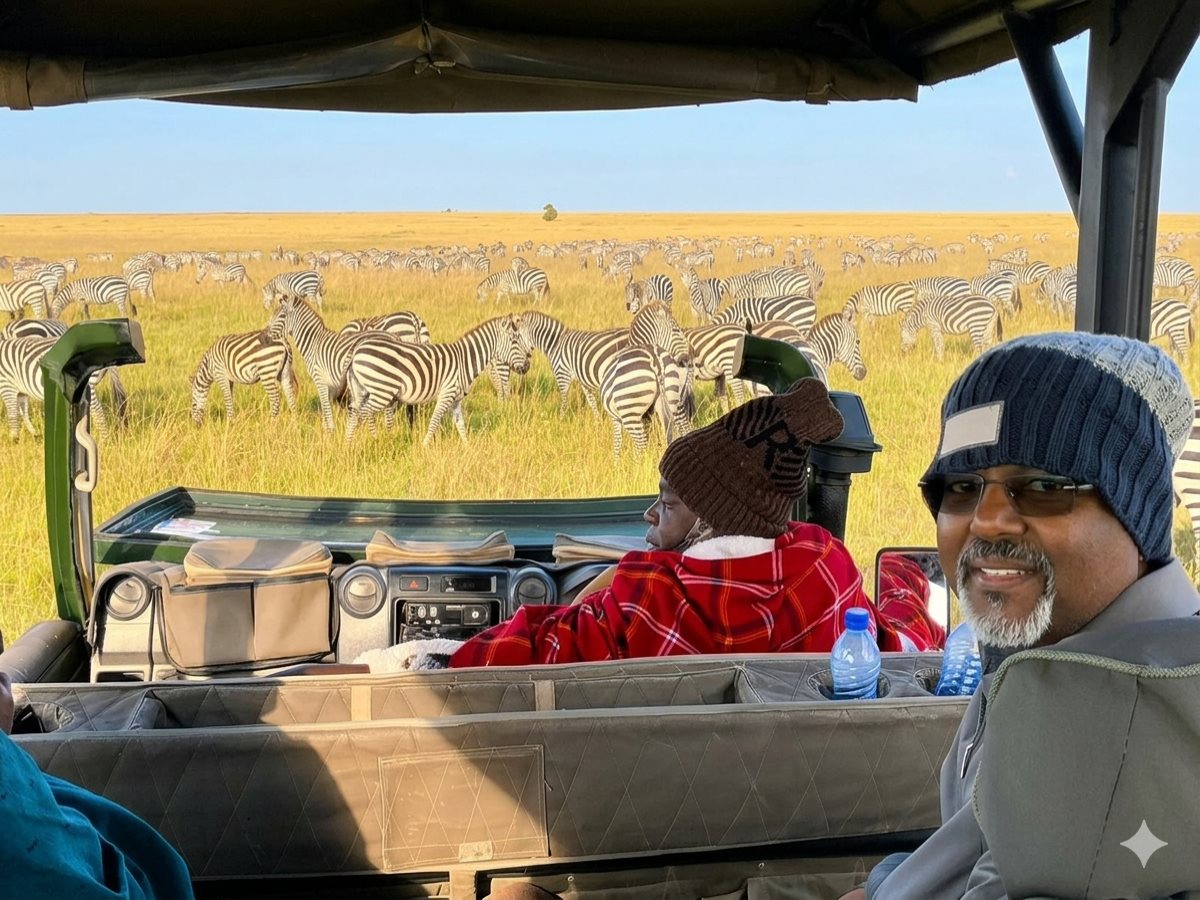
There are few natural events on Earth that can truly be called "the greatest show on wildlife" — but the Great Wildebeest Migration across Kenya's Maasai Mara is unquestionably one of them. Every year, over 1.5 million wildebeest, accompanied by hundreds of thousands of zebras and gazelles, embark on a circular journey through the Serengeti-Mara ecosystem in search of fresh grazing lands. For safari enthusiasts, wildlife photographers, and nature lovers, witnessing this thundering spectacle is nothing short of life-changing.
What Is the Great Wildebeest Migration?
The Great Migration is the largest mass movement of land mammals on the planet. It's not a single event but a continuous year-round cycle driven by rainfall patterns and the search for nutrient-rich grasses. The animals travel approximately 1,800 miles in a roughly circular route between Tanzania's Serengeti National Park and Kenya's Maasai Mara National Reserve.
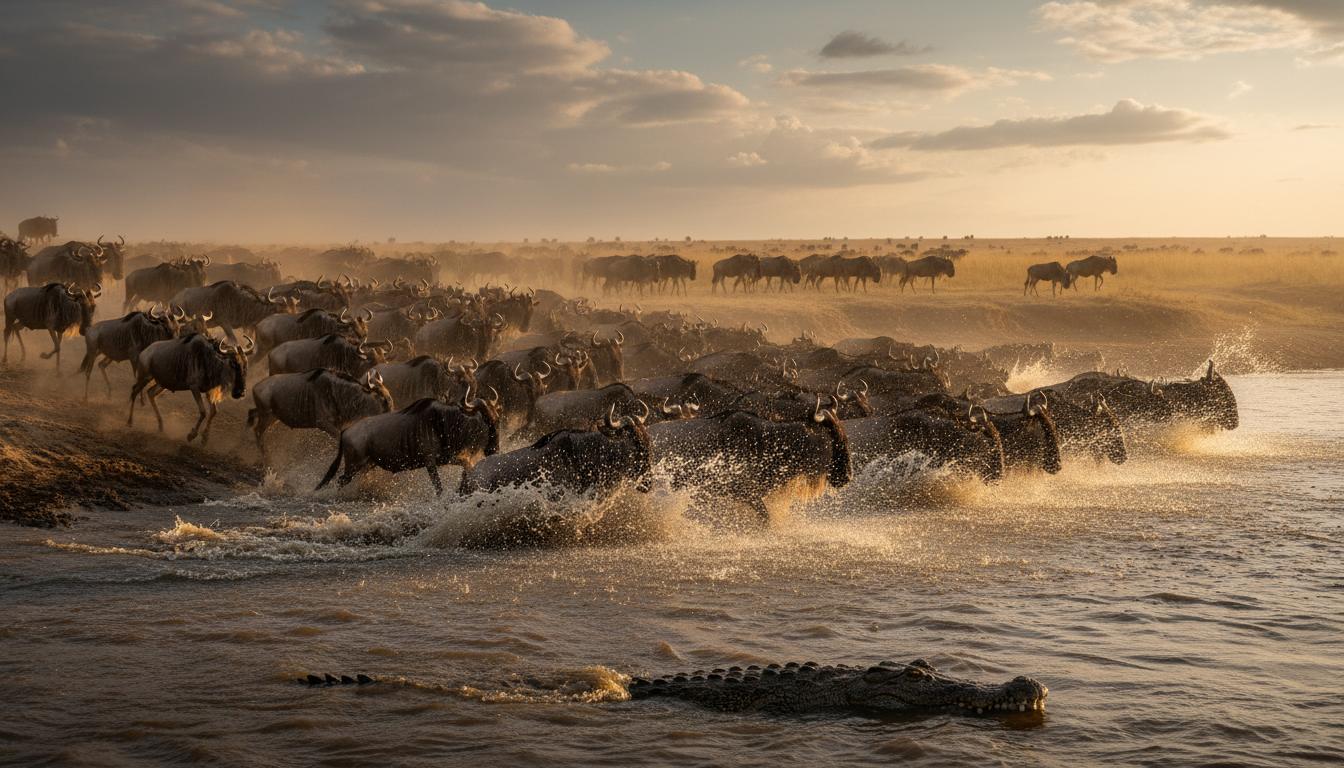
While the migration is a year-round phenomenon, the most dramatic and sought-after moments occur between July and October, when the herds cross into the Maasai Mara and face the perilous Mara River crossings — moments of pure adrenaline where thousands of animals plunge into crocodile-infested waters in a desperate race to reach the other side.
Best Time to Visit Maasai Mara for the Migration
Timing is everything when planning a Maasai Mara safari focused on the Great Migration. Here's a month-by-month breakdown of what to expect during the 2024/2025 season:
- July — August: The first herds begin arriving in the Maasai Mara from the Serengeti. River crossings start becoming more frequent. This is an excellent time to visit as the herds are spread throughout the reserve and predator activity is high.
- September — October: Peak migration season. The Mara plains are teeming with wildlife. River crossings are at their most dramatic, and the grass is shorter, making animal spotting easier. This is widely considered the best time for a Maasai Mara safari.
- November: The short rains begin, and the herds start their journey back toward the Serengeti. There are still plenty of animals in the Mara, and the landscape turns a beautiful lush green.
- December — March: The calving season in the southern Serengeti. While fewer animals are in the Mara, this is an excellent time for predator action as lions and cheetahs take advantage of vulnerable newborns.
The Mara River Crossings: Nature's Most Dramatic Spectacle
Nothing prepares you for the raw power and emotion of a Mara River crossing. Picture this: thousands of wildebeest line the steep riverbanks, their nervous energy palpable. The pressure builds as more animals arrive at the rear. Suddenly, one brave individual takes the plunge, and within seconds, a thundering cascade of hooves, dust, and splashing water erupts as the herd follows in a frantic rush.
Crocodiles — some measuring over 15 feet — lie in wait, snatching the weak and the unlucky. The churning water turns brown with mud and sediment. Those who make it across scramble up the opposite bank, exhausted but alive, while vultures and marabou storks circle overhead. It is nature in its most unfiltered, magnificent form.
Best Spots to Watch the Migration
Our experienced Maasai guides know exactly where to position your open-side Land Cruiser for the best migration viewing:
- Mara River crossing points: There are several regular crossing points along the Mara River, and our guides monitor animal movements to predict where the next crossing will occur.
- The Musiara Marsh area: Excellent for big cat sightings during migration season as lions and leopards follow the herds.
- Rhino Ridge: Offers sweeping views of the plains and is a great vantage point for spotting large herds on the move.
- Paradise Plains: Known for cheetah sightings and wide-open spaces where migrating herds gather.
Why Open-Side Land Cruisers Are Best for Migration Viewing
When it comes to experiencing the Great Migration, the vehicle you choose makes all the difference. Our open-sided Toyota Land Cruisers offer unobstructed 360-degree views, allowing you to stand up and photograph the action from every angle. Unlike closed vans with glass windows, open vehicles immerse you completely in the experience — you hear the thunder of hooves, smell the dust, and feel the wind as the herds rush past. For photographers, the ability to shoot at eye level without glass reflections is invaluable.
Book Your Migration Safari Today
The 2024/2025 migration season is shaping up to be extraordinary. Don't miss your chance to witness the greatest wildlife show on Earth. Contact Labui Maasaimara Safaris today and let our expert Maasai guides take you to the heart of the action.